From idea to storyboard
Develop your script, break it into scenes, and plan the shots with AI assistance.
 Fortune FactorySign in
Your story. Your characters. A 60-second drama.
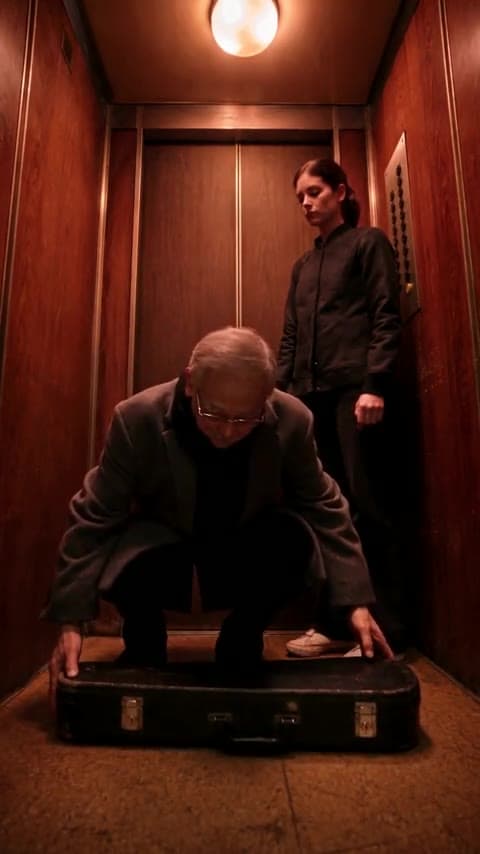
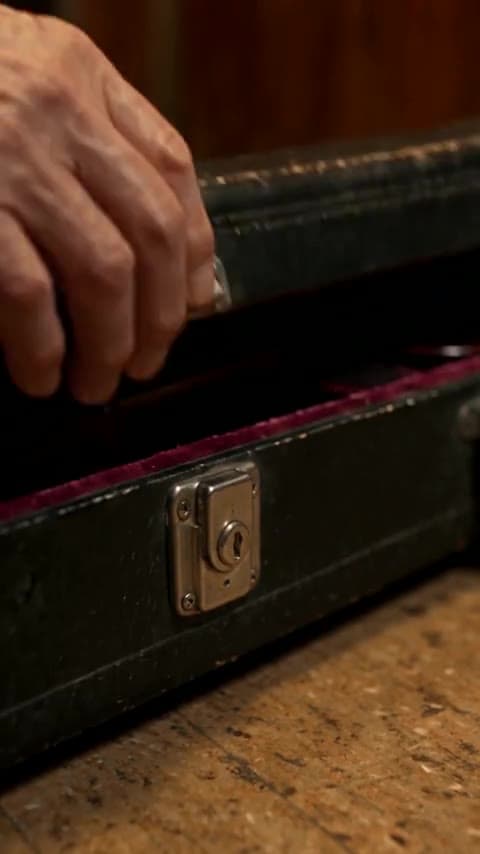
From the first idea to the shots that bring it to life.
Develop your script, break it into scenes, and plan the shots with AI assistance.
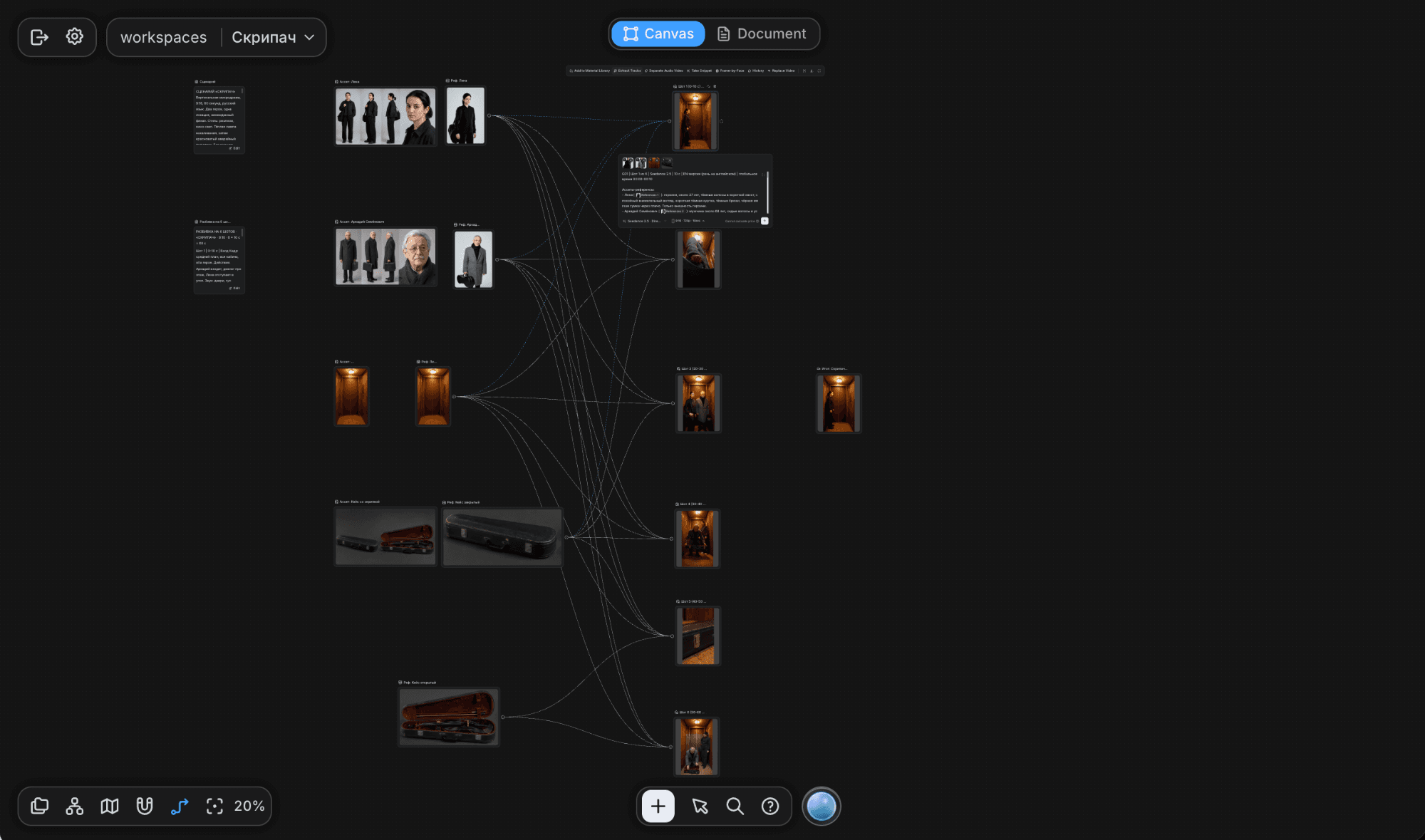
Create character, wardrobe and location references to reuse across your story.
Keep scripts, references, images and video clips together. Connect each shot to the material behind it.
Guide framing, lighting and movement with visual references and detailed prompts.
Turn scene images into video clips, with a choice of models for writing, images and video.
Regenerate individual shots, download your clips, and assemble the episode in your preferred editor.
Shot size, angle, lens, look, light and movement, chosen per shot like on a real set.

Frame each beat from an establishing wide to an intimate close-up.
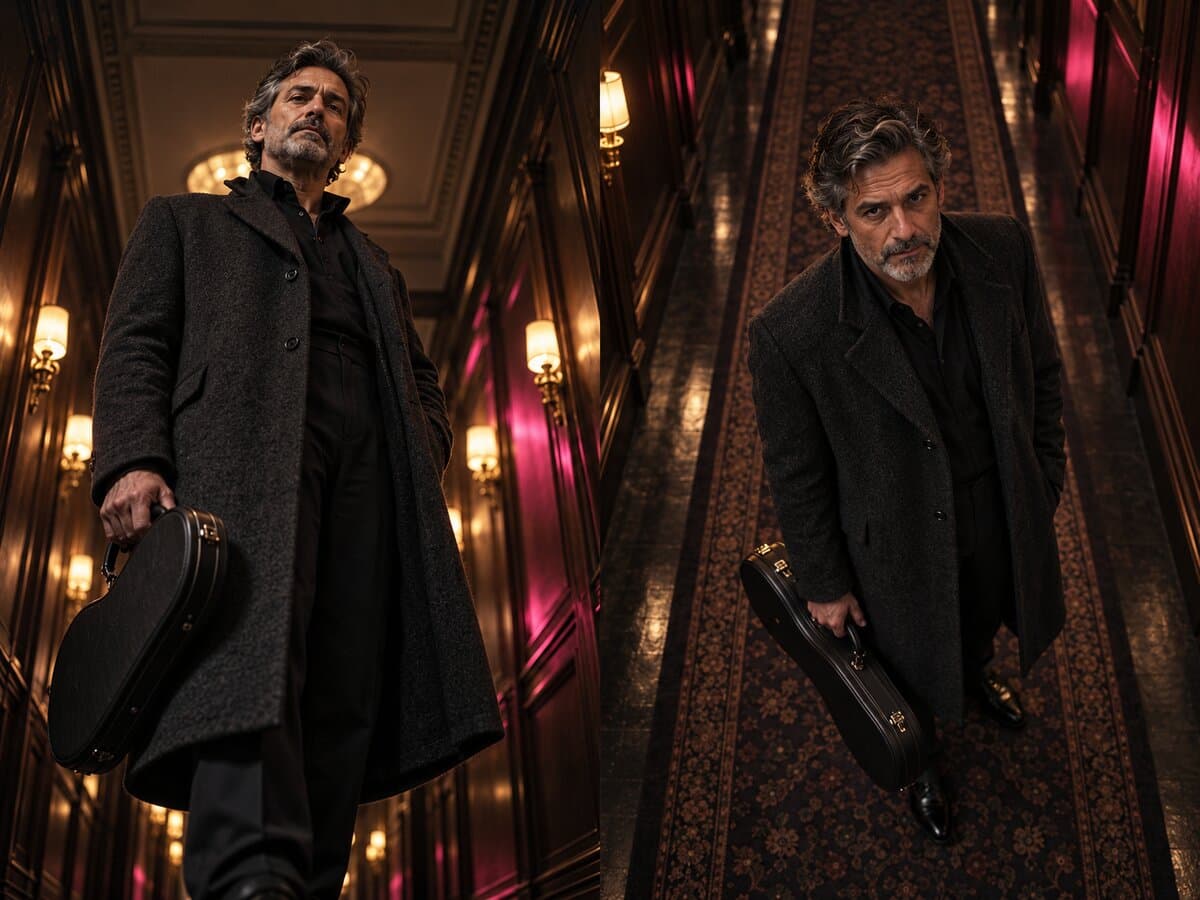
Move the camera around your subject while keeping the same character and scene.

Choose focal length and focus to shape space and attention.
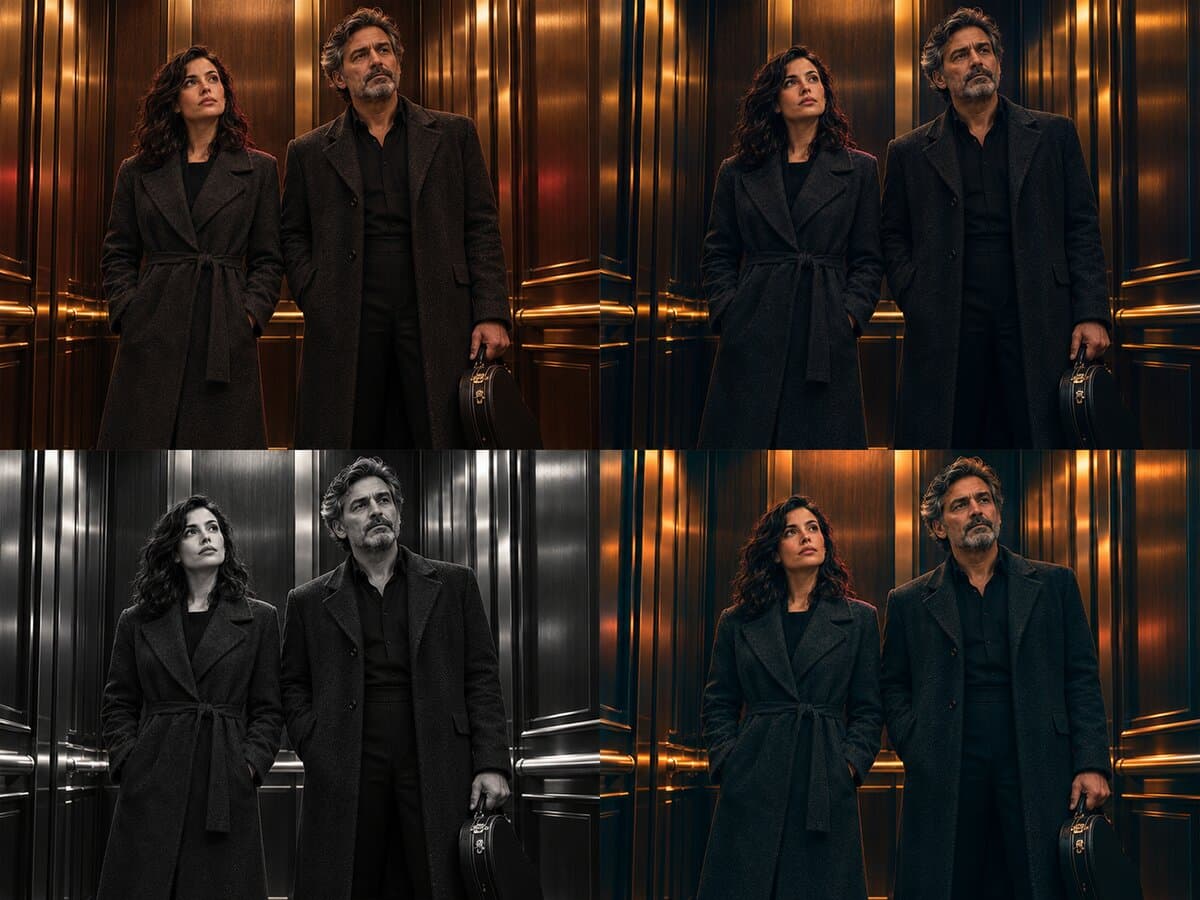
Give every episode a consistent palette, from warm film to cold noir.
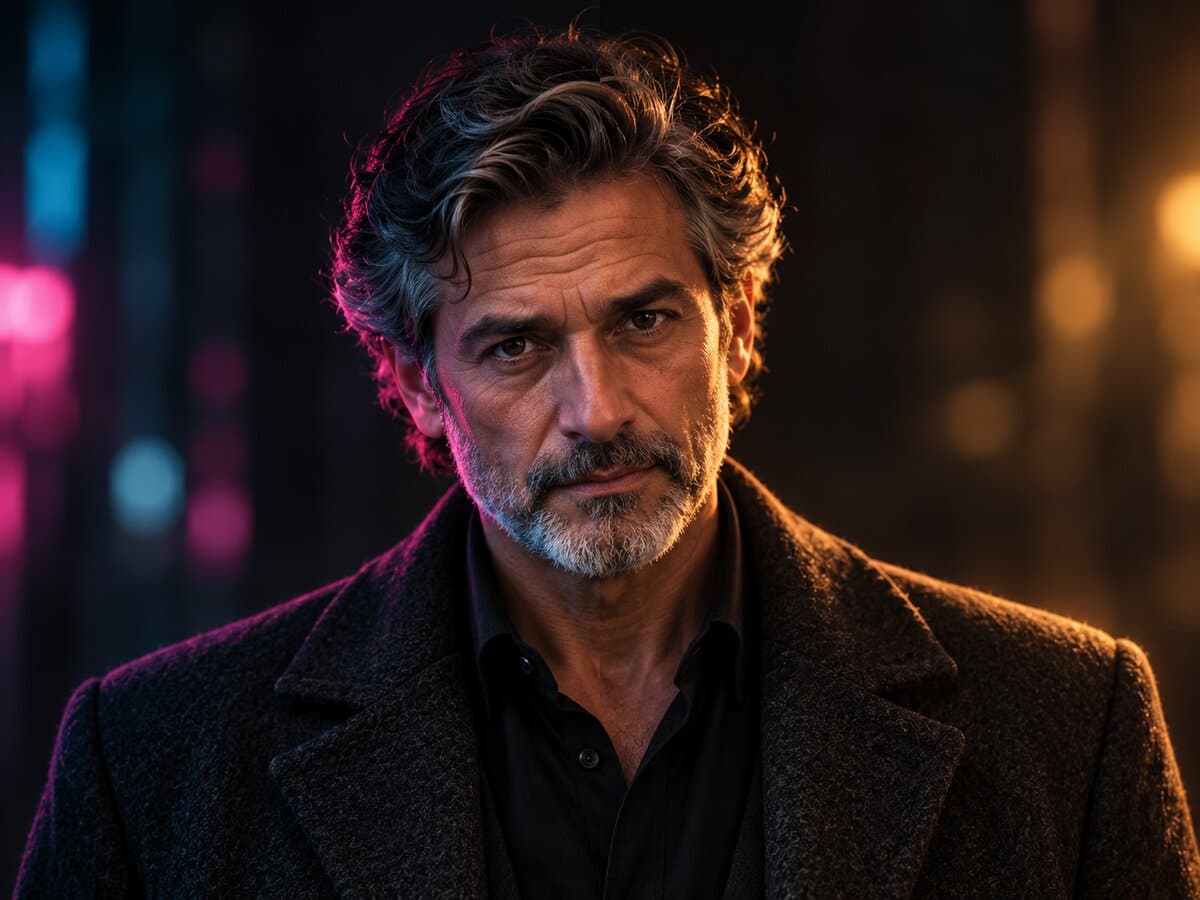
Relight a finished frame without changing the character or the scene.

Describe how the camera moves when a shot becomes video.
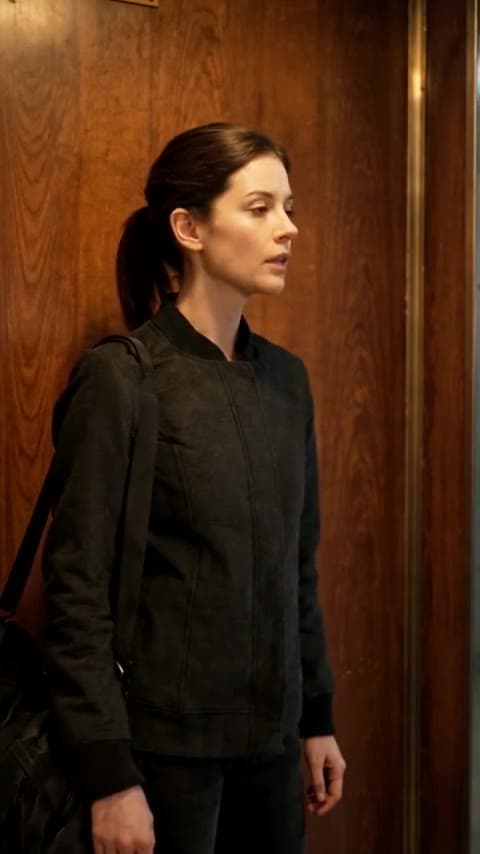
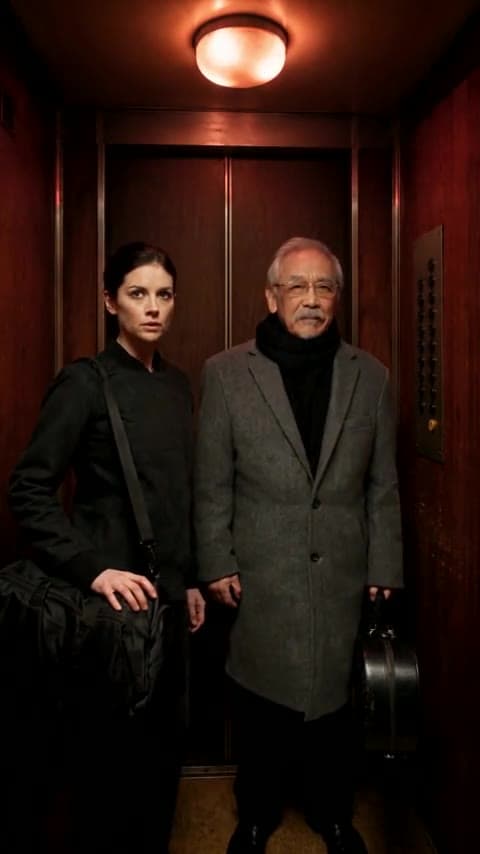
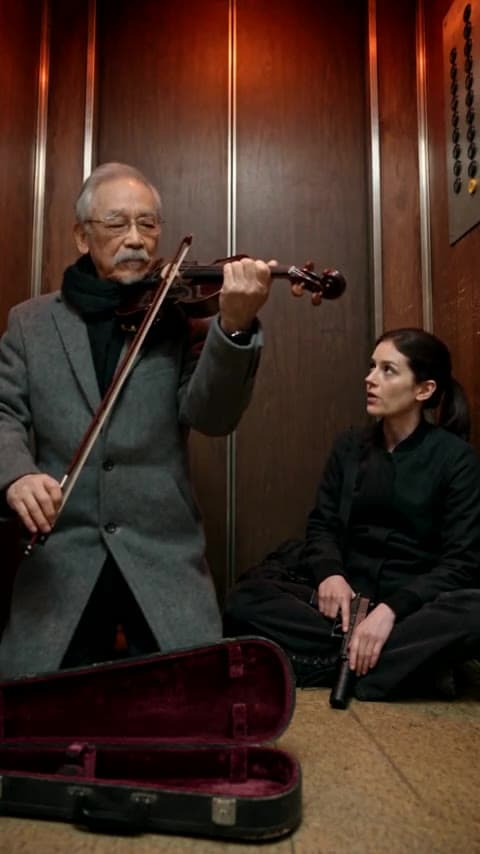
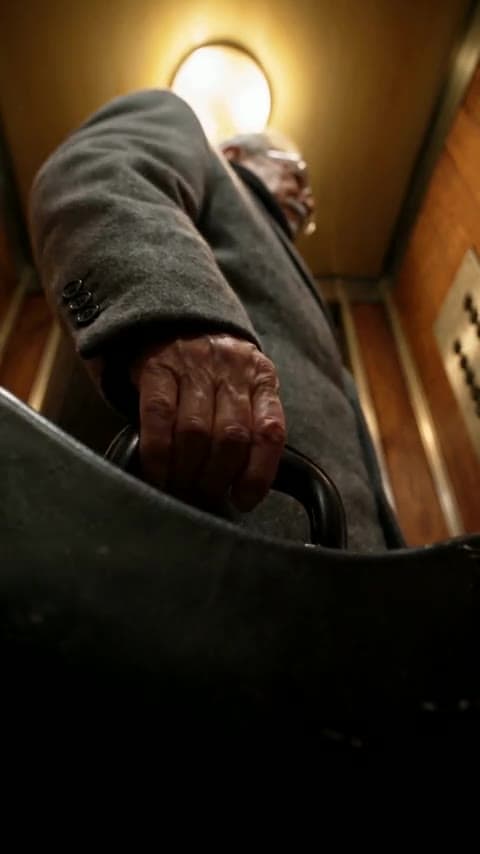
The characters, references and scenes behind The Violinist.
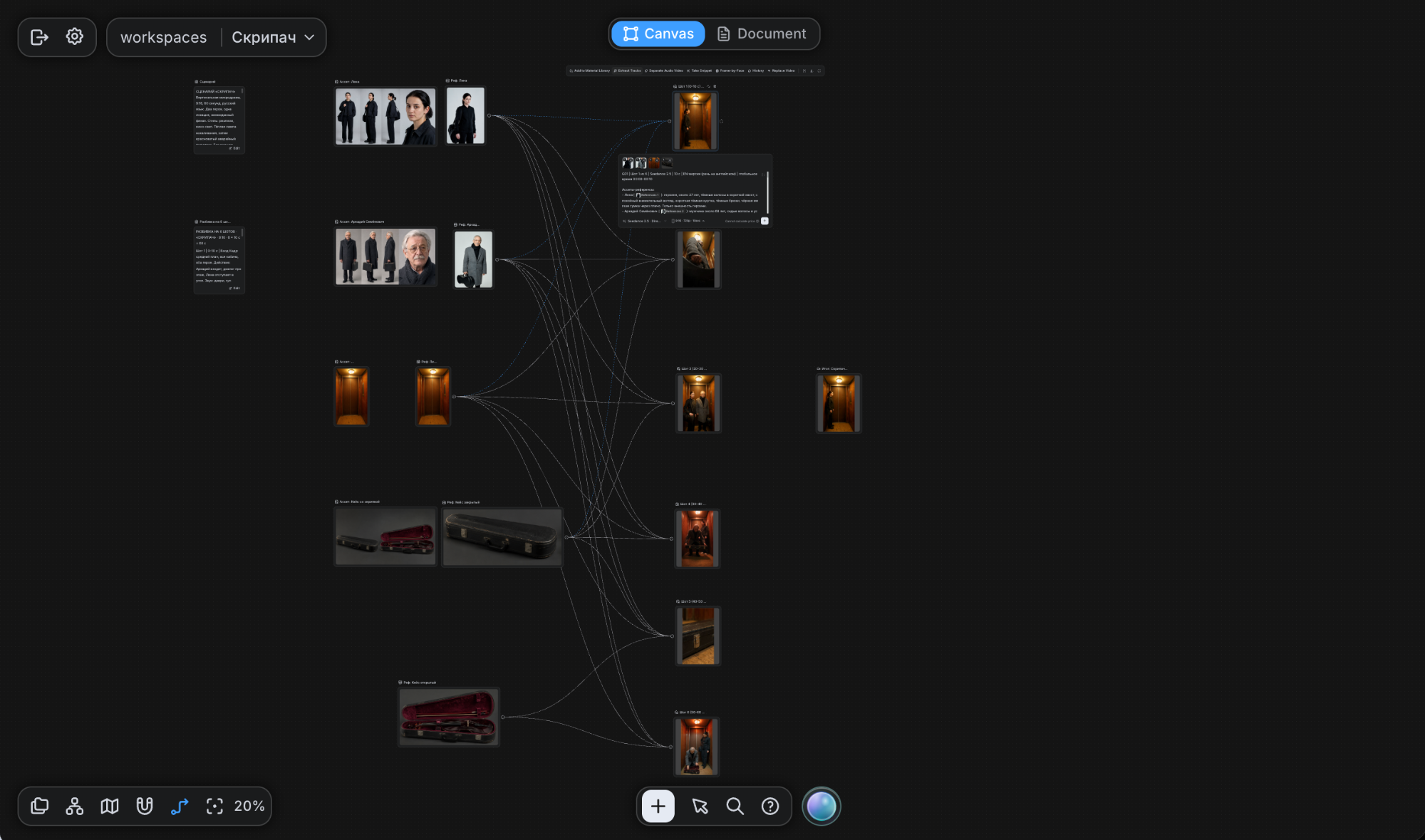 View full size
Hook your audience, build tension, and leave them wanting the next episode — in a vertical format built around one minute.
Faces, outfits and props can drift between generations. Reusable references give every shot a shared starting point.
Believable lighting, expressions and movement take iteration. Shape the scene, compare results, and refine the shots that need another take.
Beautiful clips still need continuity. Plan the sequence and keep each scene connected to its characters, location and references.
Short vertical dramas built around your story. Develop scripts, characters and locations, create scene images, and generate video clips for episodes of about 60 seconds.
Start with a story, develop your characters and scenes, then generate clips. Download your materials and assemble the episode in your preferred editing tool. The 60 seconds refers to the episode length, not the generation time.
Planned credit packs start at $10. Generation costs depend on the model, resolution and duration; scripts, images and retries also use credits. See Pricing for the current rates. Paid plans are not open yet.
A monthly plan is optional. One-time credit packs let you pay as you go, and pack credits never expire. Monthly plan credits are valid until the end of each paid month.
Yes. Download your clips and publish the assembled episode on your own channels. You need the rights to any material you use and must follow the rules of the platform where you publish. See our Terms of service for the full conditions.
Your projects stay inside your workspace. We do not publish your work to a public feed; you decide what to download and share. Read our Privacy policy for how your data is handled.
Select Request access and tell us your name, email, website or social profile, and team size. We review requests and contact you by email about access. Fortune Factory is currently in private early access.
Tell us about yourself and your story. We open access in small groups.